
IKEA's Smart Home Dream: More 'Assembly Required' Than 'Plug-and-Play' (For Now)
You know that feeling when you're super excited about a new gadget, especially one that promises to make life easier and doesn't break the bank? I get it. As a dad juggling three kids and a demanding tech career, anything that simplifies our daily...


You know that feeling when you're super excited about a new gadget, especially one that promises to make life easier and doesn't break the bank? I get it. As a dad juggling three kids and a demanding tech career, anything that simplifies our daily routine at home catches my eye. IKEA, bless their hearts, had this brilliant vision: a smart home for everyone, cheap, easy, and *just working*. Their new lineup – think smart bulbs, sensors, remotes, plugs, even air-quality monitors – were designed to be the ultimate democratic smart home solution, starting at a ridiculously affordable $6.
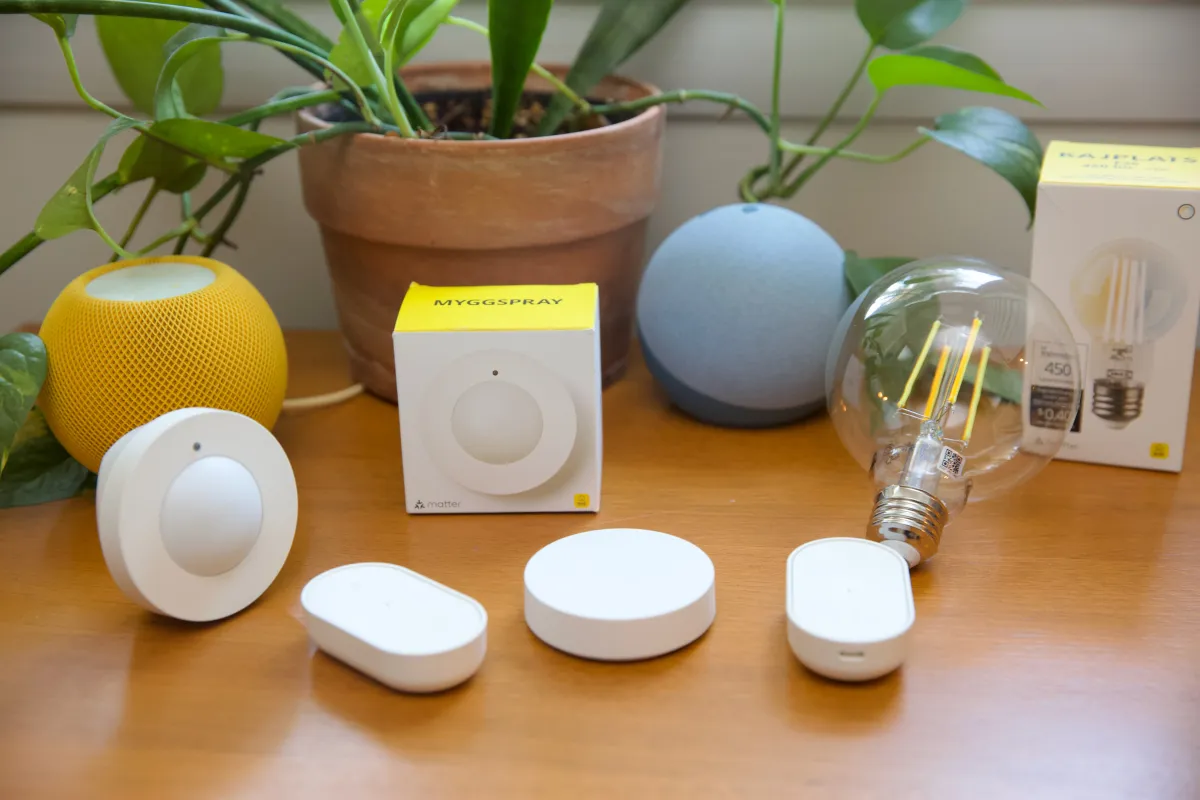
These devices promised seamless integration via Matter-over-Thread, connecting effortlessly to your Apple Home, Amazon Alexa, or whatever ecosystem you're using. Sounds fantastic on paper, right? Like a flat-pack furniture kit where all the pieces actually fit and the instructions are crystal clear. But here's the kicker, and this is where my 'tech-dad-sense' started tingling: it's not quite living up to the hype.
When these highly anticipated products launched, promising to prove that the smart home could indeed be cheap, accessible, *and* reliable, the reality for many early adopters (including the original reviewer at The Verge, and countless others echoing frustrations on Reddit forums and user reviews) was a frustrating loop of 'connection failed' and 'device not found.' Picture trying to assemble that IKEA wardrobe with half the screws missing or the holes misaligned – that's what people are experiencing with onboarding and connectivity. What was supposed to be a groundbreaking step for accessible smart homes feels more like a beta test for the patient few. It's an awesome idea, but apparently, the 'primetime' switch is still on 'off' for many.
The Takeaway: Navigating the Smart Home Frontier
So, what's the big picture here for you, my fellow tech enthusiast (or just someone trying to automate their lights without a PhD in network engineering)? This IKEA situation, while disappointing for early adopters, highlights a crucial point we often discuss in the tech world: the promise of a new standard versus the reality of its implementation. Matter, the underlying technology, is designed to simplify the smart home, to finally bring interoperability and reduce the headache of managing multiple apps and platforms. And that's fantastic!
But like any nascent technology, especially one as ambitious as Matter-over-Thread, it takes time to mature. My advice? Don't let initial hiccups deter you from the long-term vision. For now, if you're looking to build out your smart home, consider solutions that have proven stability, even if they're not always the absolute cheapest bleeding-edge option. Or, if you're feeling adventurous and love troubleshooting, jump in, but manage your expectations. Think about the *outcome* you want – reliable lighting, secure monitoring, effortless convenience – and then evaluate the *solution's maturity* to deliver that outcome consistently. Sometimes, waiting for version 2.0 (or even 1.5) makes all the difference for your sanity, and for family harmony when the lights decide to go rogue during dinner.
Thanks again for being here. See you in the next one.


